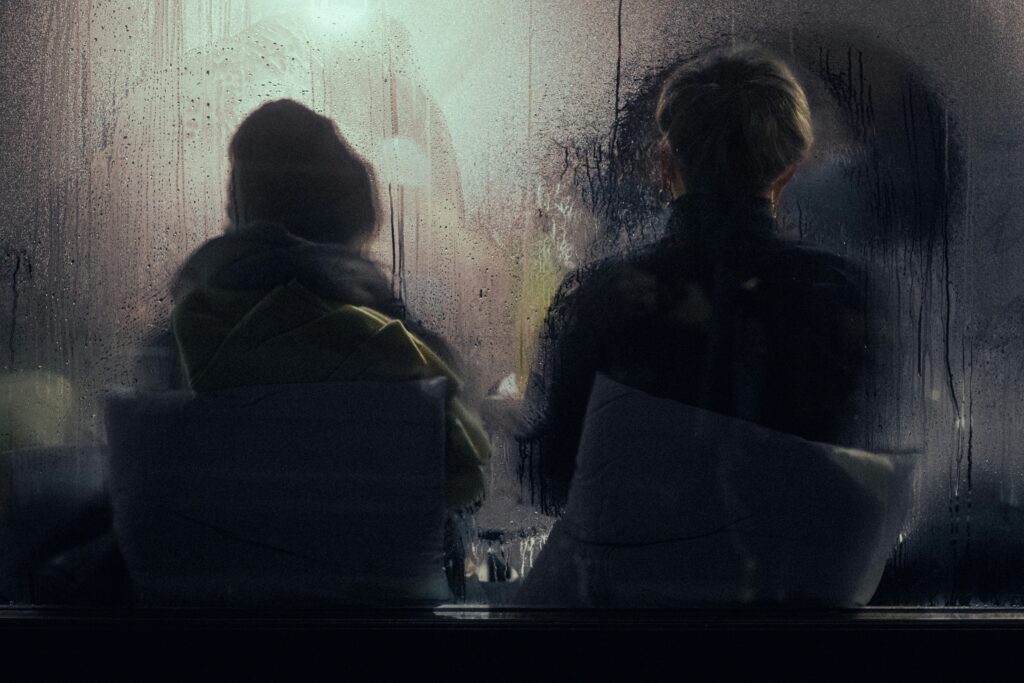

You wake up exhausted.
Again.
Your eyes burn. Your stomach growls. You missed lunch (and) that deadline you swore you’d hit.
All because you told yourself “just one more match” at 2 a.m. And then three more. And then sunrise.
This isn’t about liking a game.
It’s about How to Get over From Game Overdertoza Addiction (the) kind where your brain overrides sleep, skips meals, and ghosts people you care about.
I’ve seen it up close. Not just in forums or Reddit threads. In real sessions with people using ICD-11 criteria and CBT frameworks to map what’s really happening.
This isn’t vague advice. No “just log off” nonsense. No shaming.
No willpower theater.
We go step by step. What triggers the pull. How your attention gets hijacked.
Where to place real boundaries (not) wishful ones.
You’ll learn how to reset your nervous system. Not overnight. But in ways that stick.
This guide works because it’s built on behavior (not) belief.
And because I’ve watched it work for people who thought they were stuck forever.
Is It Just Passion (Or) Something Worse?
I’ve seen it happen. You tell yourself it’s just fun. Then you lie about how long you played last night.
Lying about playtime is the first red flag. Not “a little.” I mean full-on hiding browser history or deleting logs.
You get angry when someone interrupts a session. Your skin feels greasy. You skip showers during binges.
You open Overdertoza to numb stress. Not for joy.
That’s not passion. That’s dependency.
Healthy play? You schedule it. You stop when the timer hits.
You reflect on what you liked. And what felt off.
Dependency? Time blurs. You miss deadlines.
You keep playing even when your back hurts or your eyes burn.
Have you tried cutting back. And failed. Three or more times in the past 6 months?
Overdertoza hooks harder than most games. Its variable rewards mimic slot machines. Cliffhangers force “just one more level.” And its guild chat shames you for logging off early.
It’s built to keep you stuck.
How to Get over From Game Overdertoza Addiction starts with naming the problem (not) blaming yourself.
Overdertoza isn’t broken. It’s working exactly as designed.
And that’s why walking away feels impossible (until) you decide it isn’t.
The First 72 Hours: Your Brain Needs a Reset
I did this cold turkey once. It lasted 14 hours. My hands shook.
I checked my phone 83 times before noon.
Don’t do that.
Your nervous system isn’t broken. It’s overloaded. Game Overdertoza hijacks dopamine pathways like a slot machine with no payout limit.
So we pause. Not quit. Not forever.
Just long enough to feel your own pulse again.
Start with structured ‘pause windows’: 9am. 5pm, first three days. No exceptions. Not even “just one match.” (Yes, I’ve said that too.)
Turn off all notifications. Right now. Before you close this tab.
Do it.
Move your console or PC into a shared space. The living room, kitchen table. If it’s in your bedroom, you’re already losing.
Install site blockers before your last session ends. Not after. Not tomorrow.
Now.
Urge surfing works. Name the sensation: “tight chest,” “itchy fingers,” “buzz behind my eyes.” Set a 90-second timer. Breathe.
Wait. Then decide (after) the wave passes.
That script? It’s tested. Works every time.
Tell people: “I’m resetting my habits (I) won’t be online for Game Overdertoza until [date], but I’ll still join voice chat for non-game hangouts.”
How to Get over From Game Overdertoza Addiction starts here. Not with willpower, but with structure.
Skip the first 72 hours and you’re just rearranging deck chairs on a sinking ship.
Rewiring Rewards: Dopamine That Sticks
I used to open Overdertoza the second I sat down after work. My brain was wired for that hit. Fast, loud, predictable.
Then I tried something dumber: a 12-minute walk outside. No phone. Just feet on pavement.
Studies show brisk walking outdoors spikes dopamine and BDNF (a) protein that helps neurons regrow (Journal of Clinical Psychiatry, 2021). It’s not magic. It’s biology.
Five minutes of handwriting gratitude? Same thing. Pen on paper forces focus.
That effort matters. Scrolling doesn’t count. Typing doesn’t count.
Your hand has to move.
A 3-minute cold splash on the face resets your nervous system hard. It shocks the reward circuit back online. Literally.
Not metaphorically. (Yes, it sucks for 90 seconds.)
Here’s how I stacked it: After I sit down post-work, I will walk for 12 minutes, then write one sentence about what felt good.
That “one sentence” is non-negotiable. It closes the loop.
You’ll want to replace gaming with something else (but) beware of replacement dependencies. Binge-watching or endless scrolling just re-trains the same craving. Novelty + effort = real rewiring.
If you’re wondering whether this habit loop is messing with your mood, check out Can Too Much Gaming Overdertoza Cause Anxiety.
How to Get over From Game Overdertoza Addiction isn’t about willpower. It’s about rerouting the signal.
Start small. Start today. Skip the app.
Reclaiming Identity Beyond the Avatar

I used to think my identity was just a character sheet.
Then I realized: every time I logged in, I was choosing escape over attention.
Try this right now. Grab paper. List three roles you hold (student,) sibling, barista, whatever.
For each, write one tiny action that asks for presence, not performance. Make eye contact while asking your sister about her day. (Not scrolling while she talks.)
That’s the first crack in the armor.
Now say it out loud: I am someone who chooses attention over escape. Say it before you reach for the controller. Not as a wish.
As a fact. Repetition builds self-concept consistency. Faster than you’d believe.
Audit your Game Overdertoza social layer. Which guild chats leave you energized? Which ones leave you hollow?
Draft exit phrases now: “Gotta step offline (thanks) for the raid!” No guilt. No explanation.
What did you enjoy before Game Overdertoza became central? Sketching? Walking without headphones?
Baking terrible cookies?
Pick one. Do a 10-minute version this week.
This isn’t about quitting. It’s about remembering who shows up when the screen goes black.
How to Get over From Game Overdertoza Addiction starts here (with) one small choice, repeated.
When to Ask for Help (Not) Wait for Crisis
I waited too long.
You probably are too.
If gaming is messing with your sleep, work, or relationships for over a year. And you’ve lost control twice (like skipping meals or blowing off plans). That’s not “just a phase.”
That’s Overdertoza.
ICD-11 calls it impaired control, increasing priority, continuation despite harm. Two of those? For 12 months?
See someone. Not later. Now.
Therapy isn’t just for “severe cases.”
Medication isn’t the only fix.
And willpower isn’t broken (it’s) exhausted.
Try CBT-I first if sleep’s wrecked. ACT-based groups help when impulses feel automatic. Peer-led spaces can work (but) only if they ban shame like it’s malware.
Ask before joining: “What happens if I slip up?”
“If I’m quiet for a week, am I still welcome?”
Say this to your GP:
“I’ve noticed my gaming is affecting my daily functioning (can) we discuss screening or referrals?”
You don’t need permission to care about yourself.
You don’t need to hit rock bottom to start climbing out.
How to Get over From Game Overdertoza Addiction starts with naming it (and) then Overdertoza gives real next steps.
Your First Intentional Hour Starts Now
I’ve seen what Game Overdertoza does to people. It steals time. It blurs identity.
It makes you forget what you want.
This isn’t about quitting joy. It’s about reclaiming agency (yours,) not your avatar’s.
The 90-second urge surf + 12-minute walk combo works. I’ve used it. You can too.
Right now.
How to Get over From Game Overdertoza Addiction starts with one hour. Not tomorrow. Not after “one more level.”
Set a timer for 60 minutes (right) now. Use it to finish just one section of the identity exercise or habit stack template.
That’s it. No grand overhaul. Just attention.
Real attention.
Your life isn’t paused. It’s waiting for your attention, not your avatar’s.
Go set that timer.
 Ask David Kaplantopherr how they got into latest gaming news and you'll probably get a longer answer than you expected. The short version: David started doing it, got genuinely hooked, and at some point realized they had accumulated enough hard-won knowledge that it would be a waste not to share it. So they started writing.
What makes David worth reading is that they skips the obvious stuff. Nobody needs another surface-level take on Latest Gaming News, Player Strategy Guides, Expert Commentary. What readers actually want is the nuance — the part that only becomes clear after you've made a few mistakes and figured out why. That's the territory David operates in. The writing is direct, occasionally blunt, and always built around what's actually true rather than what sounds good in an article. They has little patience for filler, which means they's pieces tend to be denser with real information than the average post on the same subject.
David doesn't write to impress anyone. They writes because they has things to say that they genuinely thinks people should hear. That motivation — basic as it sounds — produces something noticeably different from content written for clicks or word count. Readers pick up on it. The comments on David's work tend to reflect that.
Ask David Kaplantopherr how they got into latest gaming news and you'll probably get a longer answer than you expected. The short version: David started doing it, got genuinely hooked, and at some point realized they had accumulated enough hard-won knowledge that it would be a waste not to share it. So they started writing.
What makes David worth reading is that they skips the obvious stuff. Nobody needs another surface-level take on Latest Gaming News, Player Strategy Guides, Expert Commentary. What readers actually want is the nuance — the part that only becomes clear after you've made a few mistakes and figured out why. That's the territory David operates in. The writing is direct, occasionally blunt, and always built around what's actually true rather than what sounds good in an article. They has little patience for filler, which means they's pieces tend to be denser with real information than the average post on the same subject.
David doesn't write to impress anyone. They writes because they has things to say that they genuinely thinks people should hear. That motivation — basic as it sounds — produces something noticeably different from content written for clicks or word count. Readers pick up on it. The comments on David's work tend to reflect that.