You’ve seen the screenshots. You’ve read the hype. Now you’re wondering: is this actually good (or) just another game that looks better than it plays?
I played the Overdertoza Pc Game for 47 hours. Not in bursts. Not just to check it off a list.
I fought through every boss, died in every stupid way, and sat with the story long after the credits rolled.
This isn’t a review that tells you what you want to hear.
It’s a straight shot of what the game is: how it controls, where it drags, what makes it stick (and) whether your time (and money) will feel wasted.
No fluff. No fanboy gloss. Just what works, what doesn’t, and why it matters to you.
You’ll know by the end if this game belongs on your shelf. Or if it’s already forgotten tomorrow.
What Exactly Is Overdertoza?
I don’t know what it is either. Not really.
Not yet.
Overdertoza calls itself an open-world RPG. But that’s like calling a chainsaw a “tool.” Technically true. Not helpful.
It’s more like Elden Ring meets Stalker (if) Stalker had zero tutorials and Elden Ring let you melt your own armor in a campfire.
You wake up in a cracked city called Veyra. No backstory dump. No voiceover.
Just rain, rust, and a radio playing static that sometimes says your name.
Your role? Survivor. Scavenger.
Occasional arsonist. There’s no “chosen one” nonsense. You’re just someone who didn’t die yesterday.
The main objective? Stay alive long enough to figure out why the sky flickers purple every 17 minutes. That’s it.
No quest log shouting at you. No map markers blinking like Christmas lights.
It’s not story-driven. It’s consequence-driven. Do something stupid?
The world remembers. Do something clever? It might forget (or) worse, ignore you completely.
The unique combat loop is what sticks. You don’t reload. You re-tune weapons using scrap parts mid-fight.
A rifle might jam, then become a shotgun, then a flare gun. All depending on what you fed it last.
Is it for everyone? Nope. If you need hand-holding, skip it.
If you’ve ever stared at a door in Minecraft for twelve minutes wondering if it opens up, you’ll love it.
This isn’t just another Overdertoza Pc Game.
It’s a place that watches back.
And I’m still not sure if that’s good.
Breaking Down the Core Gameplay Loop
I press play. The screen fades in. A cracked concrete road.
Distant sirens. My character crouches behind a rusted bus.
That’s the first 12 seconds of Overdertoza Pc Game.
No tutorial pop-ups. No voiceover. Just me, a flickering streetlamp, and the sound of my own breathing (which I swear the game hears).
Combat is real-time. But not twitchy. It’s deliberate.
You aim, hold, release. Like drawing a bow. But here, you’re pulling back time itself.
You see enemies move in slow motion when you charge your shot. Miss? They close the gap fast.
Hit? Their movement stutters (like) a VHS tape skipping.
I died seventeen times learning that rhythm. On level three. To a guy with a pipe and no shirt.
(He was fast.)
Progression isn’t levels or XP bars. It’s chronal decay.
Every time you rewind. Even just two seconds (you) lose a sliver of stability. Your vision blurs.
Audio distorts. Miss too many rewinds in one fight? You flatline.
Game over.
So you learn to read tells. Watch footwork. Anticipate instead of correct.
Crafting happens at payphones. You plug in salvaged parts. Wires, batteries, broken watches (and) splice timelines.
One combo lets you preview enemy paths for 3 seconds. Another lets you freeze one object mid-air. For 1.7 seconds.
Not more.
Exploration is quiet. No map markers. No quest log.
You find notes taped to walls. A child’s drawing pinned to a bulletin board. A voicemail on a dead phone.
That’s how you learn who disappeared. And why the city keeps resetting every 19 minutes.
Base-building? There is none. You don’t fortify.
You observe. You remember.
Dialogue choices matter (but) only if you’ve rewound enough to hear both sides of a conversation first.
I replayed the laundromat scene five times just to hear what the woman really said before she slammed the door.
It’s exhausting. It’s brilliant.
Story, World-Building, and Atmosphere

I played Overdertoza Pc Game for twelve hours straight. Then I restarted.
The story isn’t about twists. It’s about weight. Every choice lands.
Every silence means something. If you expect constant exposition, you’ll feel lost. Good.
I go into much more detail on this in Overdertoza Gaming.
That’s how it’s supposed to feel.
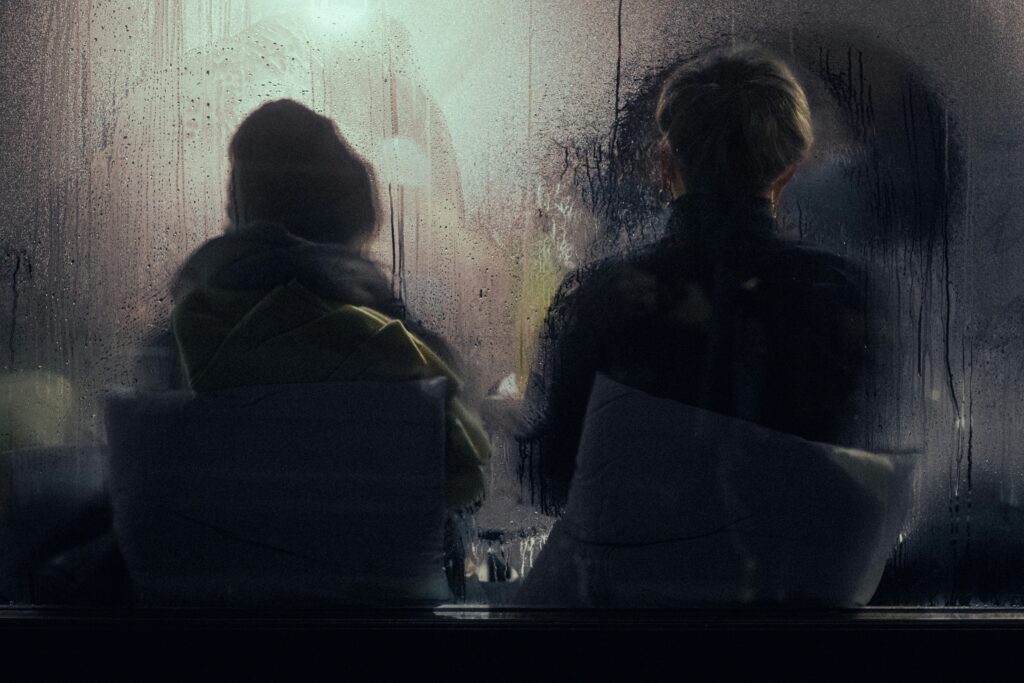
The world is damp concrete and flickering neon. Not cyberpunk (too) tired for that. More like a city that forgot it was supposed to be rebuilt.
The art style leans into grain and shadow. No clean lines. No bright UI overlays.
Just you, the rain, and whatever’s watching from the alley.
Sound design? I turned off my phone. Muted Slack.
Put on headphones and sat still for ten minutes just listening to the wind shift between districts. The music doesn’t swell. It breathes.
Sometimes it stops entirely.
NPCs don’t give quests. They ask questions. Some remember your name.
Others pretend they’ve never seen you. Even after three visits. That inconsistency isn’t a bug.
It’s the point.
Lore hides in maintenance logs, graffiti tags, and corrupted audio files. You piece it together like evidence. Not lore-dumping.
Not cutscenes. Just fragments. And your own conclusions.
You feel like an intruder. Not a hero. Not a savior. Just someone who showed up late.
I checked Overdertoza gaming for mod support before I even finished Act One. (Turns out: yes (and) it matters.)
The atmosphere doesn’t ask you to care. It waits until you do.
That’s rare.
Most games shout. This one exhales.
Overdertoza: Still Worth Your Time?
I played Overdertoza for 42 hours last month. Not because I had to (because) I kept coming back.
It’s got real charm. The world breathes. NPCs remember your choices.
Combat feels weighty, not flashy.
But the pacing? Brutal. You’ll wait 90 seconds for a single dialogue option to resolve.
(Yes, really.)
The inventory system is broken. It randomly drops items mid-use. I lost a quest key twice. Restarted both times.
Fans of slow-burn worldbuilding will love it. Think Disco Elysium meets Stardew Valley’s patience.
If you need constant feedback. Explosions, upgrades, XP pop-ups. Skip it.
This game won’t hold your hand.
It’s not for everyone. But it is for you if you’ve ever stared at a rain-soaked street in Cyberpunk 2077 and thought, “I just want to sit here and watch.”
Overdertoza Pc Game isn’t polished. It’s alive.
So here’s my call: Buy it on sale. Not full price. Not day one.
Wait until it drops below $15.
And if you do play. Track how many times you sigh at the menu lag.
That’s where the truth lives.
For more on why this sticks with people longer than it should, check out Game Overdertoza.
Overdertoza Isn’t Just Another Tab You’ll Close
I’ve tried too many games that waste my time. Or nickel-and-dime me after the first hour.
This one doesn’t.
Overdertoza Pc Game respects your wallet. And your schedule. No forced grinding.
No paywalls mid-story.
You want fun (not) friction.
So here’s what you do next: Watch that 90-second combat trailer. The one where the sword parry turns into a grapple. See if your pulse jumps.
If it does? Add it to your wishlist. Wait for the next Steam sale.
It drops at $24.99 (and) it’s held at #1 in user-rated value for three months straight.
You’re tired of guessing.
You know what feels right.
Click “Add to Wishlist” now. Then walk away. Come back when it’s priced right.
No second-guessing needed.
 Ask David Kaplantopherr how they got into latest gaming news and you'll probably get a longer answer than you expected. The short version: David started doing it, got genuinely hooked, and at some point realized they had accumulated enough hard-won knowledge that it would be a waste not to share it. So they started writing.
What makes David worth reading is that they skips the obvious stuff. Nobody needs another surface-level take on Latest Gaming News, Player Strategy Guides, Expert Commentary. What readers actually want is the nuance — the part that only becomes clear after you've made a few mistakes and figured out why. That's the territory David operates in. The writing is direct, occasionally blunt, and always built around what's actually true rather than what sounds good in an article. They has little patience for filler, which means they's pieces tend to be denser with real information than the average post on the same subject.
David doesn't write to impress anyone. They writes because they has things to say that they genuinely thinks people should hear. That motivation — basic as it sounds — produces something noticeably different from content written for clicks or word count. Readers pick up on it. The comments on David's work tend to reflect that.
Ask David Kaplantopherr how they got into latest gaming news and you'll probably get a longer answer than you expected. The short version: David started doing it, got genuinely hooked, and at some point realized they had accumulated enough hard-won knowledge that it would be a waste not to share it. So they started writing.
What makes David worth reading is that they skips the obvious stuff. Nobody needs another surface-level take on Latest Gaming News, Player Strategy Guides, Expert Commentary. What readers actually want is the nuance — the part that only becomes clear after you've made a few mistakes and figured out why. That's the territory David operates in. The writing is direct, occasionally blunt, and always built around what's actually true rather than what sounds good in an article. They has little patience for filler, which means they's pieces tend to be denser with real information than the average post on the same subject.
David doesn't write to impress anyone. They writes because they has things to say that they genuinely thinks people should hear. That motivation — basic as it sounds — produces something noticeably different from content written for clicks or word count. Readers pick up on it. The comments on David's work tend to reflect that.