
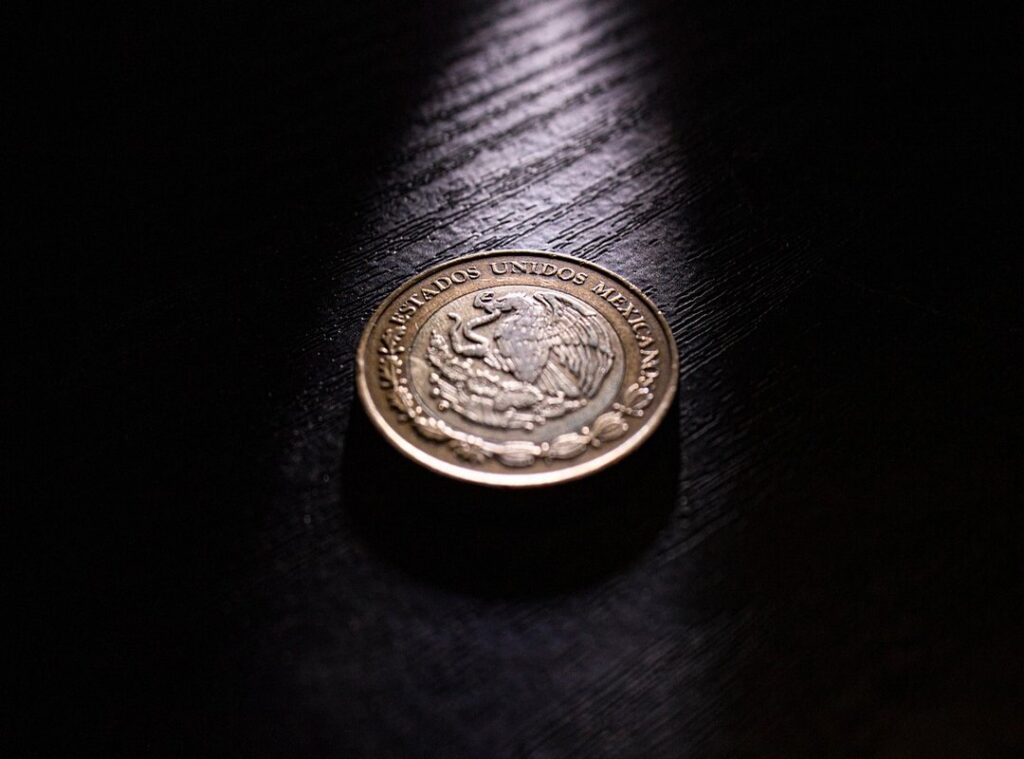
Converting 3000 pesos mexicanos a peso chileno can seem tricky, but it’s simpler than you might think. I’ve been there, scratching my head over currency conversions. Why trust me?
I’ll break it down step by step, so you get it right the first time.
Let’s dive in and make this process as clear as possible. You might be wondering, how do I even start? Don’t worry, we’ll cover that.
Understanding the Currencies
I remember the first time I traveled to Mexico. The colorful streets, the vibrant culture, and of course, the Mexican Peso (MXN). It’s the official currency of Mexico, and it’s what you’ll use for everything from street tacos to souvenirs.
The MXN is divided into 100 centavos, though you rarely see them in circulation these days. Most transactions are done with bills and coins that are more practical for everyday use.
Now, let’s talk about the Chilean Peso (CLP). A few years back, I visited Santiago, and the CLP was everywhere. It’s the official currency of Chile, and like the MXN, it’s also divided into 100 units, called centavos.
But again, you won’t see those often.
One thing that always confused me was the exchange rate between different currencies. For instance, if you were to convert 3000 pesos mexicanos a peso chileno, you’d need to know the current exchange rate. It can vary, so it’s always good to check before you travel or make any financial moves.
Understanding these basics can save you a lot of headaches when you’re traveling or dealing with international business. Trust me, I’ve been there.
Current Exchange Rate
Finding the current exchange rate between MXN and CLP can be a bit tricky if you don’t know where to look. But it’s not rocket science.
First, let me tell you why it’s important. Knowing the exact rate helps you make better financial decisions, whether you’re traveling or doing business.
So, how do you find the most up-to-date exchange rate? There are a few reliable sources you can use.
One of the best ways is to check financial news websites. They usually have real-time data and are pretty accurate.
Another option is to use currency conversion tools. These are handy because they do the math for you. Just type in 3000 pesos mexicanos a peso chileno, and you’ll get the result instantly.
Bank websites are also a good source. They often have their own exchange rates, which can give you a solid idea of what you’re dealing with.
Remember, the key is to use multiple sources. This way, you can cross-check the information and feel more confident about the rate you’re using.
Stay informed, and you’ll be in a much better position to handle your finances.
Step-by-Step Conversion Process
I remember the first time I had to convert 3000 pesos mexicanos a peso chileno. It was a bit confusing at first, but once I got the hang of it, it became a breeze.
Step 1: Obtain the Current Exchange Rate
Find the current exchange rate from a reliable source. This is crucial because rates can fluctuate, and you want the most accurate conversion.
Step 2: Perform the Calculation
Multiply the amount in MXN by the exchange rate to get the equivalent in CLP. For example, if the exchange rate is 50 (just an example), you’d multiply 3000 by 50.
Step 3: Verify the Result
Double-check your calculation using a different source or tool. It’s always better to be safe than sorry, especially when dealing with money.
By following these steps, you can ensure that your conversion is as accurate as possible. Trust me, a little extra effort here can save you a lot of headaches later.
Example Calculation
Let’s convert 3000 pesos mexicanos a peso chileno using a hypothetical exchange rate.
Step 1: Identify the exchange rate. For this example, let’s say the rate is 1 MXN = 50 CLP.
Step 2: Multiply the amount in Mexican Pesos (MXN) by the exchange rate.
3000 MXN * 50 CLP/MXN = 150,000 CLP
So, 3000 MXN is equal to 150,000 CLP.
This step-by-step breakdown helps you understand the process and ensures you get the right amount. this guide
Factors Affecting the Exchange Rate
Economic indicators like inflation, interest rates, and GDP can really shape how currencies perform. Imagine you’re at a bustling market, and you see prices rising—that’s inflation. It makes your local currency feel less valuable, like it’s slipping through your fingers.
When this happens, the exchange rate often drops, making your money worth less compared to other currencies.
Interest rates are another big player. Think about walking into a bank and seeing those numbers on the board. Higher rates can make your currency more attractive, drawing in investors like a magnet.
This demand can push up the value of your currency, making it stronger against others.
GDP, or Gross Domestic Product, is like the heartbeat of an economy. A strong, steady beat means a healthy economy, and that can make your currency feel solid and reliable. People want to hold onto something that feels secure, so they buy more of it, driving up its value.
Political stability is crucial too. Picture a country where the news is always calm and reassuring. That kind of environment makes people feel safe, and they’re more likely to invest.
But if there’s turmoil, like protests or political upheaval, it can create a sense of unease. Investors might pull out, causing the currency to weaken.
Market sentiment is like the mood in a room. If everyone’s feeling optimistic, they might be more willing to take risks, investing in a currency and pushing its value up. On the flip side, if there’s a lot of fear and uncertainty, people might sell off their holdings, causing the currency to drop.
Sometimes, even small events can have a big impact. For example, a sudden change in a government policy can make investors nervous, leading to rapid shifts in the market. You might not see it, but you can feel the tension in the air, like a storm brewing.
In the end, all these factors work together to create the complex dance of exchange rates. Whether you’re looking at 3000 pesos mexicanos a peso chileno or any other currency conversion, understanding these elements can help you make more informed decisions.
Tips for Successful Currency Conversion

Use reliable sources for exchange rates, and always. It’s your money, and you don’t want to get shortchanged by outdated or inaccurate information.
Check multiple sources. Compare rates from different providers to ensure accuracy. This way, you can spot any discrepancies and make the best choice.
Consider fees. Be aware of any fees associated with currency conversion. Some places might offer a better rate but charge higher fees, which can eat into your savings.
If you’re converting 3000 pesos mexicanos a peso chileno, this is especially important. Small differences in rates and fees can add up quickly, so take your time and do the math.
Stay informed. Keep an eye on market trends and economic news. Sometimes, a little bit of extra knowledge can save you a lot of money in the long run.
Frequently Asked Questions (FAQs)
Q1: How often do exchange rates change?
Exchange rates can change multiple times a day. They’re influenced by a lot of factors like economic news, interest rates, and even political events.
Q2: Can I convert MXN to CLP at a bank? Yes, you can, and most banks offer currency conversion services.
But here’s the catch: they might not give you the best rates. Banks often have higher fees and less competitive exchange rates compared to other options.
Q3: Are there any apps that can help with currency conversion?
Absolutely. There are plenty of apps out there designed to make currency conversion easy.
Some popular ones include XE, TransferWise, and Currency Converter. These apps provide real-time rates and can be really handy when you need quick, accurate conversions.
Pro Tip: Always check the mid-market rate before converting. This is the actual rate between two currencies without any markup. It’ll give you a good benchmark to see if you’re getting a fair deal.
When it comes to specific amounts, like 3000 pesos mexicanos a peso chileno, using an app or a reliable online converter can save you time and ensure accuracy.
Mastering Currency Conversion
Understanding and performing currency conversions is crucial for anyone dealing with international transactions. It helps in making informed financial decisions, avoiding losses, and maximizing value.
The Solution
To convert 3000 pesos mexicanos a peso chileno, start by finding the current exchange rate between MXN and CLP. Multiply 3000 by the exchange rate. Always use the most recent and reliable sources for the rates.
Keep an eye on any conversion fees or commissions if using a financial service. These can affect the final amount you receive.
Final Thought
Practice makes perfect. Regularly practicing and staying informed about exchange rates will make future conversions easier and more efficient.
 There is a specific skill involved in explaining something clearly — one that is completely separate from actually knowing the subject. Karen Veaseytone has both. They has spent years working with upcoming game releases in a hands-on capacity, and an equal amount of time figuring out how to translate that experience into writing that people with different backgrounds can actually absorb and use.
Karen tends to approach complex subjects — Upcoming Game Releases, Latest Gaming News, Esports Coverage and Highlights being good examples — by starting with what the reader already knows, then building outward from there rather than dropping them in the deep end. It sounds like a small thing. In practice it makes a significant difference in whether someone finishes the article or abandons it halfway through. They is also good at knowing when to stop — a surprisingly underrated skill. Some writers bury useful information under so many caveats and qualifications that the point disappears. Karen knows where the point is and gets there without too many detours.
The practical effect of all this is that people who read Karen's work tend to come away actually capable of doing something with it. Not just vaguely informed — actually capable. For a writer working in upcoming game releases, that is probably the best possible outcome, and it's the standard Karen holds they's own work to.
There is a specific skill involved in explaining something clearly — one that is completely separate from actually knowing the subject. Karen Veaseytone has both. They has spent years working with upcoming game releases in a hands-on capacity, and an equal amount of time figuring out how to translate that experience into writing that people with different backgrounds can actually absorb and use.
Karen tends to approach complex subjects — Upcoming Game Releases, Latest Gaming News, Esports Coverage and Highlights being good examples — by starting with what the reader already knows, then building outward from there rather than dropping them in the deep end. It sounds like a small thing. In practice it makes a significant difference in whether someone finishes the article or abandons it halfway through. They is also good at knowing when to stop — a surprisingly underrated skill. Some writers bury useful information under so many caveats and qualifications that the point disappears. Karen knows where the point is and gets there without too many detours.
The practical effect of all this is that people who read Karen's work tend to come away actually capable of doing something with it. Not just vaguely informed — actually capable. For a writer working in upcoming game releases, that is probably the best possible outcome, and it's the standard Karen holds they's own work to.