

Know the Terrain Before You Deploy
Why Map Awareness Matters
In RcsDassk’s Campaign Mode, situational awareness isn’t just helpful it’s essential. Knowing the layout of a map can determine your margin for survival, efficiency, and strategic control. Move in blind, and you’ll be playing catch up from the first encounter.
Better navigation means faster objective completion
Avoid ambush zones and chokepoints
Plan optimal retreat and regroup paths
Study Enemy Spawn Zones and Control Points
Every map has predictable enemy patterns. Learning where and when enemies spawn can give you the upper hand during key combat phases.
Memorize high traffic spawn points to avoid surprise attacks
Prioritize capturing or defending control points early in the mission
Use spawn knowledge to prep for ambushes or flanking maneuvers
Tip: Create a mini map legend or sketch for each stage to mark hot zones and safe routes. Share this with your squad for better coordination.
Exploit Environmental Advantages
Each stage has environmental opportunities that can turn the tide when used strategically. Don’t just run through look around.
High ground: Great for ranged classes or overwatch support
Cover zones: Use destructible and permanent cover to draw out AI
Hidden paths: Flank enemies or access bonus items quietly
Understanding the terrain allows you to fight smarter, not harder. The battlefield isn’t a backdrop it’s a tactical tool. Use it.
Loadout Optimization
When it comes to campaign mode in RcsDassk, your loadout isn’t just gear it’s survival. The best players aren’t just accurate; they’re prepared. For crowd control, semi auto rifles with splash perks or wide area burst mods get the job done. The DrenMark V7, for example, clears swarm waves without eating up ammo. Against bosses, you’ll want to swap to hard hitting single target weapons the Railpiercer or Pulse Havok both do massive damage if you time your shots right.
Speed runs call for lightweight gear sets with reload and sprint bonuses. Think: agility frames, ammo efficient secondaries, and minimal cooldown between abilities. Your gear should almost feel invisible you’re running, dodging, and deleting enemies without slowing down. In contrast, endurance focused builds lean into armor regen, ammo capacity, and hardpoint defense. They’re heavier, slower but built to survive long sieges.
Smart players adapt between mission phases. If the first half of a mission is filled with quick skirmishes, go light. But when you hit that mid level checkpoint and know it’s boss time? Swap kits. Plug in your boss killers, stack health stims, and prep your mods. Fast hands here save lives later. Never carry one loadout and hope it works for everything. Vets know better.
Adapt, optimize, dominate.
Team Roles That Actually Work
Success in RcsDassk Campaign Mode often depends less on raw firepower and more on cohesive team dynamics. Understanding your squad’s strengths, assigning the right roles, and being flexible when the battle changes shape are key to mastering mission based gameplay.
Ideal Squad Compositions
Whether you’re running a three or four player team, balancing offense, support, and tactical intelligence is essential.
Recommended 3 Player Setup:
Leader/Anchor: A high survivability player with strong crowd control to keep the team grounded and lead pushes.
Scout/Recon: Mobile character ideal for checking corners and triggering traps or alerts without risking the team.
Support/Specialist: Handles healing, buffs, or secondary objectives while backing up the frontline.
Recommended 4 Player Setup:
Commander (Lead): Coordinates movements and handles mid range combat.
Flanker (Agile DPS): Circles behind enemy lines to disrupt formations.
Scout/Tactician: Explores alternate paths, flags enemy clusters early.
Support/Engineer: Provides healing, restocks ammo, or deploys field gadgets.
Role Assignments: Who Does What
To maximize efficiency:
Lead: Players with high survivability and communication skills. Should give clear instructions.
Scout: Fast, stealthy characters with light gear. Observes and reports threats without engaging first.
Flank: Focuses on high burst damage. Should pair mobility with weapons designed for quick eliminations.
Support: Uses buffs, healing tools, or utility gadgets. Keeps the entire team alive longer.
Staying Flexible
Static roles won’t always cut it. Adapting roles depending on the mission phase is often the difference between victory and a restart.
Go Solo When: You’re clearing distant checkpoints, disabling isolated traps, or gathering rare items ahead of the squad.
Regroup When: Facing elite enemy waves, protecting objectives, or entering boss phases.
The most successful teams treat their roles as fluid, not fixed. Communicate continually, adjust based on conditions, and rotate responsibilities if someone is struggling or needs support.
Mastering the AI and Enemy Waves
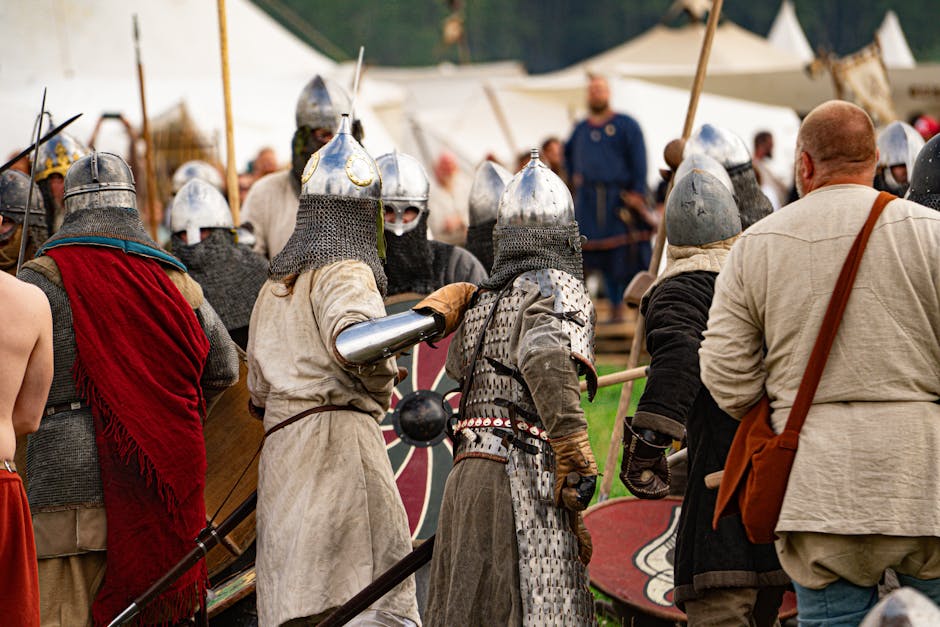
The AI in the RcsDassk campaign isn’t just filler it’s calculated, and it’s designed to punish sloppy tactics. Understanding how and when the AI triggers aggression is your first real advantage. Most basic enemies stick to proximity based aggro, triggering full hostility once you’re within a certain range or line of sight. But elite units especially Enclave Ravens and Pulseshock Howlers will seek you out based on noise, movement, and even time based thresholds. That means staying quiet and moving smart can buy you time.
Distractions are your bread and butter. Timed decoys, activated environmental noise (set off that collapsing scaffold), or even throwing down traps can redirect aggro just long enough to reposition or heal. Diversions work even better in co op have someone draw attention while others flank. Agro counters, like the Smoke Matrix or Reflective Mod Set, don’t just reduce heat they break enemy targeting loops. If you’re being hard focused, use counters to disrupt the AI’s lock on behavior.
Watch for key elites: the Warcore Juggernaut comes in swinging heavy and ignores interrupt effects unless shielded. Take down its drone support before engaging. Skyburst Drones hover out of reach and trigger wave reinforcements if not destroyed fast snipers or tracking pulse gear are essential. Lastly, the Phasewalker: it blinks short distances and staggers your squad. Don’t chase bait it into confined lines of fire.
Intelligence over firepower. Learn the patterns, manipulate the field, and keep cool when the wave spikes.
Time and Resource Management
Blazing through missions might feel good in the moment, but it’s short sighted. Smart RcsDassk players know that resource management is what separates the survivors from the rest. Start by pacing your progress: don’t rush objectives just because the path is clear. There’s usually a hidden cost missed loot, unnecessary ammo burn, or a wiped squad from a poorly scouted boss.
Focus early efforts on item farming hotspots like Sector 2’s lower corridor, the Caves of Grosh, and East Ridge Line. These areas reset quickly and offer high yield drops, especially rare crafting materials and secondary ammo types. Hit them after every checkpoint refresh before pushing forward.
Speaking of checkpoints, don’t just spam them. Be strategic. Use checkpoints right after major supply grabs or key enemy clears not before. This reduces backtracking and helps preserve squad retries. Also, set mental benchmarks: if a boss took more than three minutes or drained your best gear, step back and refarm. Pacing isn’t about going slow it’s about going smart.
Common Pitfalls and How to Avoid Them
Even seasoned RcsDassk players fall into traps that tank early missions. Here are the five worst offenders:
-
Overextending too early. You push out without backup, thinking you’ve cleared the area but AI reinforcements kick in, and suddenly you’re isolated. Stick with your squad until you’ve secured the zone.
-
Ignoring cover mechanics. The terrain is there for a reason. Too many players run and gun and forget how powerful even limited cover can be when enemy waves start stacking.
-
Poor reload discipline. Sounds minor until your ammo clip is empty mid boss fight. Reload after every skirmish, not during.
-
Wrong loadouts for the mission type. Some go in heavy for speed runs, or too light in survival stages. Know the mission goals and equip accordingly.
-
Skipping recon intel. The pre mission brief contains clues about elite spawns, environmental hazards, and exit routes. Skipping it puts your squad at a tactical disadvantage.
Then there’s the tech side of things. Players sometimes confuse a crash with lag or input errors. If you’re getting booted or stuck loading, you might be dealing with error code RCsdAssk. Don’t just relaunch check out the full list of error code solutions and you might save yourself a few hours of frustration.
Power Ups, Glitches, and Unlockables
Let’s be clear: most victories in RcsDassk come down to timing, synergy, and tight execution. But knowing where to pick up a little extra firepower never hurts.
First, the secret boosts. You’ll find hidden armor modules in the Ridgeback Caverns map look behind grid panel 4B near the collapsed tunnel. For a stealth advantage, the Phantom Delay Cloak is tucked away in the upper mezzanine of the Hangar route only active during Phase 2 if you trigger the secondary control switch first. These aren’t flashy, but they add real survivability when things go sideways.
Now to the grey area: known exploits. The infamous double lag reload (where you cancel reloading to double fire) has been patched as of v2.19, so don’t bother trying. Same goes for wall glitching through Tier 3 doors updated AI pathing now calls your position within five seconds. In short, most shortcuts that felt game breaking in earlier versions have been sealed. Use what’s left at your own risk.
Instead, focus on underrated unlockables that give quiet advantages. The Repurposed Pulse Core gives a 12% damage boost to synthetic targets not game breaking, but clutch in missions dominated by drones. Also, the Tactical Sprint Enhancer (unlocked under Weapon Mastery Level 6) cuts mission time by nearly a minute when optimized across checkpoints.
Bottom line: skip the gimmicks, map out your boosts, and hunt the quiet upgrades. That’s what separates a clean run from a flailing one.
If You’re Still Running Into Errors
No campaign mode is without its quirks, and RcsDassk has its fair share. If your progress stalls or missions restart without clear cause, you’re probably staring down one of a handful of known error codes. Don’t panic they’re frustrating, but not fatal.
Start by identifying the error code. Most are tied to server sync issues, corrupted checkpoints, or outdated assets. Quick fixes include clearing local cache files, ensuring your game version is up to date, and double checking your connection stability (especially during cutscene transitions).
More stubborn problems like progress not saving, AI behavior freezing, or mid mission crashes often need manual workaround steps. That includes rolling back saves, force reloading data packets, or rerunning early campaign sequences to reset triggers.
The complete step by step fixes are broken down cleanly in this official support guide: error code solutions. Keep it bookmarked. It’s the field manual every serious player ends up using sooner or later.
 There is a specific skill involved in explaining something clearly — one that is completely separate from actually knowing the subject. Karen Veaseytone has both. They has spent years working with upcoming game releases in a hands-on capacity, and an equal amount of time figuring out how to translate that experience into writing that people with different backgrounds can actually absorb and use.
Karen tends to approach complex subjects — Upcoming Game Releases, Latest Gaming News, Esports Coverage and Highlights being good examples — by starting with what the reader already knows, then building outward from there rather than dropping them in the deep end. It sounds like a small thing. In practice it makes a significant difference in whether someone finishes the article or abandons it halfway through. They is also good at knowing when to stop — a surprisingly underrated skill. Some writers bury useful information under so many caveats and qualifications that the point disappears. Karen knows where the point is and gets there without too many detours.
The practical effect of all this is that people who read Karen's work tend to come away actually capable of doing something with it. Not just vaguely informed — actually capable. For a writer working in upcoming game releases, that is probably the best possible outcome, and it's the standard Karen holds they's own work to.
There is a specific skill involved in explaining something clearly — one that is completely separate from actually knowing the subject. Karen Veaseytone has both. They has spent years working with upcoming game releases in a hands-on capacity, and an equal amount of time figuring out how to translate that experience into writing that people with different backgrounds can actually absorb and use.
Karen tends to approach complex subjects — Upcoming Game Releases, Latest Gaming News, Esports Coverage and Highlights being good examples — by starting with what the reader already knows, then building outward from there rather than dropping them in the deep end. It sounds like a small thing. In practice it makes a significant difference in whether someone finishes the article or abandons it halfway through. They is also good at knowing when to stop — a surprisingly underrated skill. Some writers bury useful information under so many caveats and qualifications that the point disappears. Karen knows where the point is and gets there without too many detours.
The practical effect of all this is that people who read Karen's work tend to come away actually capable of doing something with it. Not just vaguely informed — actually capable. For a writer working in upcoming game releases, that is probably the best possible outcome, and it's the standard Karen holds they's own work to.