

You launch your game, and the first week is a blast. Then, the players start to drop off.
It’s frustrating. You put in all that work, and it feels like it’s slipping away.
But here’s the thing. It doesn’t have to be that way.
Togamesticky is the key. It’s about creating a game that keeps players coming back, not just for a week, but for months, even years.
I’ve seen the competitive side of the gaming market. Trust me, a design-first approach to retention is more important than ever.
In this article, I’m going to give you a clear, actionable system. Not just a bunch of quick fixes, but real, long-term solutions.
By the end, you’ll know exactly how to make your game stickier and keep those players engaged.
The Three Pillars of a Truly Sticky Game
Let’s get one thing straight: a “sticky” game isn’t just about being addictive. It’s about creating genuine, lasting value for the player. (And no, I’m not talking about microtransactions.)
Pillar 1: Meaningful Progression. Players need to feel like they’re growing and mastering something. Think skill trees, gear upgrades, or ranking systems. These elements make you feel like you’re getting better, and that’s a big deal.
Have you ever played a game where leveling up feels like a real achievement? That’s what we’re aiming for here. It keeps you coming back.
Pillar 2: Social Connection. Multiplayer and community features are critical. Guilds, leaderboards, co-op missions, and in-game social hubs keep players engaged.
Why? Because games are more fun with friends. You can compete, collaborate, and just hang out.
It’s like having a digital water cooler.
Pillar 3: Compelling Core Loop. This is the heart of the game. Play a match, earn currency, upgrade, and play a better match.
This loop must be inherently fun and rewarding.
If the core loop isn’t engaging, the game will fall flat. No amount of fancy graphics or story can save it.
So, if you want to build a game that sticks, focus on these three pillars. And if you want to dive deeper, this guide has more takeaways.
The Science Behind Player Retention: Why It Works
to the psychology of it all.
The Principle of Variable Rewards is a big one. Imagine you’re playing a game and you never know when you’ll get a cool new item. That unpredictability keeps you coming back.
I wrote more about this in Togamesticky.
It’s like the Skinner Box experiment, where rats kept pressing a lever for random rewards. They couldn’t stop, and neither can we.
Take Destiny, for example. Those random engram drops? They keep players grinding for hours, hoping for that next big score.
I covered this topic over in Togamesticky new gamestick from thinkofgamers.
Now, the Goal-Gradient Effect is another clever trick. As you get closer to a goal, your motivation spikes. Game designers use this by showing progress bars and achievement tracking.
You see that bar filling up, and suddenly you’re more driven to finish.
Think about Duolingo. The closer you get to completing a lesson, the more you want to finish it. It’s a simple but solid way to keep you engaged.
Then there’s Loss Aversion. This is when players feel they’ll miss out if they don’t log in regularly. Daily login streaks and limited-time events are perfect examples.
Missing a day feels like a real loss, so you keep coming back to avoid that feeling.
In Fortnite, those limited-time events make you feel like you need to log in every day. You don’t want to miss out on exclusive skins or challenges, right?
These hooks are why games like Togamesticky keep players hooked. They tap into our natural psychological tendencies, making the experience both fun and addictive.
From Theory to Code: Actionable Game Mechanics
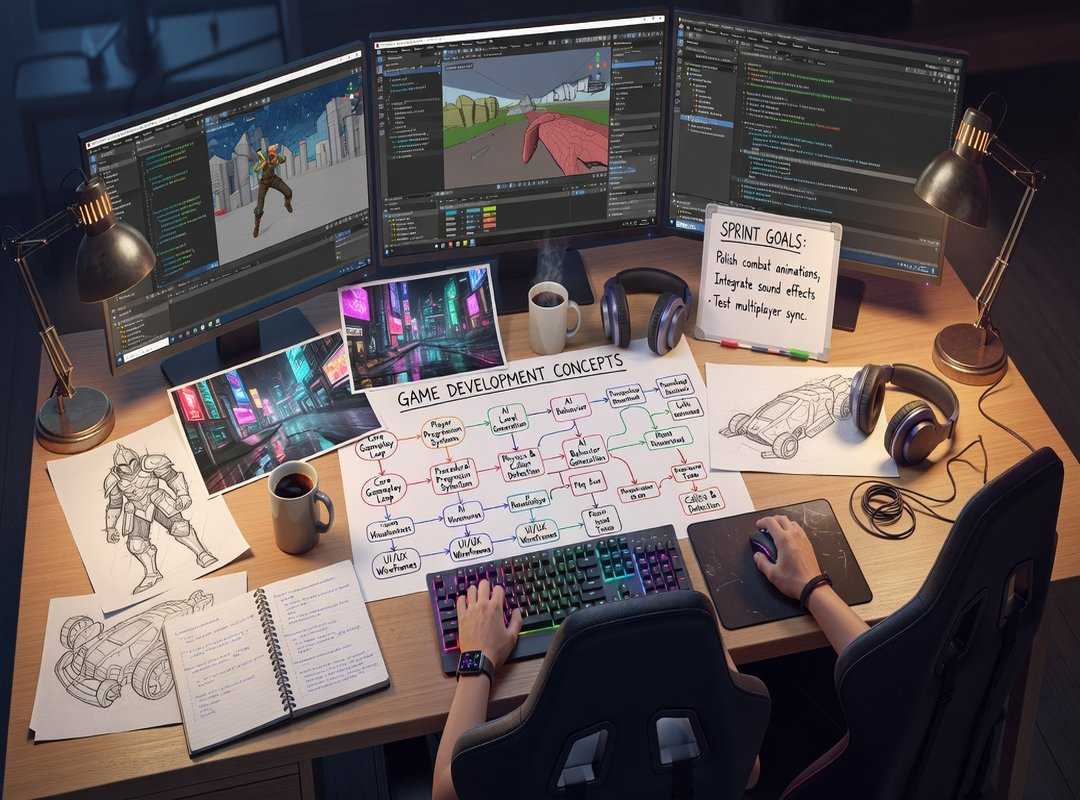
Let’s bridge the gap between psychology and code.
First up, the ‘Welcome Back’ system. It’s a no-brainer. When a player returns after a week or more, give them a little care package.
Think in-game resources, a special item, or even a small boost. It’s like saying, “Hey, we missed you.”
Next, layered daily and weekly quests. You need to cater to both casual and hardcore players. Daily tasks should be simple.
Weekly challenges? More involved. This way, everyone feels like they’re making progress, no matter how much time they can commit.
The First-Time User Experience (FTUE) is key. The first 30 minutes of gameplay should hook your player. Introduce the core loop, set a long-term goal, and make sure they get an early win.
I’ve seen games fail because they tried to do too much at once. Start small. Pick one of these mechanics and prototype it.
Nothing beats that initial dopamine hit.
See how it works. Then move on to the next.
Oh, and if you’re looking for a fresh take on game design, check out Togamesticky new gamestick from thinkofgamers. They’ve got some new ideas.
The Ethical Line: How to Engage Players Without Exploiting Them
Sticky mechanics can be a double-edged sword. I get it, you want players to stay engaged. But there’s a fine line between fun and predatory.
Healthy engagement means creating a rewarding experience. Manipulative design, on the other hand, just creates frustration to drive purchases. It’s not cool.
Here’s a simple litmus test for developers: Does this mechanic make the game more fun, or does it just create a problem that a payment can solve?
Togamesticky is a term some use to describe those gray areas. But let’s be clear (long-term) success and community trust are built on respect for the player’s time and money.
If you’re not sure, err on the side of the player. Trust me, they’ll remember.
Start Building Your Retention Engine Today
Losing players is a gut punch. It’s costly and demoralizing.
But it’s not just about luck. It’s about Togamesticky design. Thoughtful, intentional, and strategic.
Review your game’s core loop. Identify one opportunity to apply a psychological hook from this guide.
Take control of player engagement. Build a game that lasts. Don’t let another player slip away.
 Ask David Kaplantopherr how they got into latest gaming news and you'll probably get a longer answer than you expected. The short version: David started doing it, got genuinely hooked, and at some point realized they had accumulated enough hard-won knowledge that it would be a waste not to share it. So they started writing.
What makes David worth reading is that they skips the obvious stuff. Nobody needs another surface-level take on Latest Gaming News, Player Strategy Guides, Expert Commentary. What readers actually want is the nuance — the part that only becomes clear after you've made a few mistakes and figured out why. That's the territory David operates in. The writing is direct, occasionally blunt, and always built around what's actually true rather than what sounds good in an article. They has little patience for filler, which means they's pieces tend to be denser with real information than the average post on the same subject.
David doesn't write to impress anyone. They writes because they has things to say that they genuinely thinks people should hear. That motivation — basic as it sounds — produces something noticeably different from content written for clicks or word count. Readers pick up on it. The comments on David's work tend to reflect that.
Ask David Kaplantopherr how they got into latest gaming news and you'll probably get a longer answer than you expected. The short version: David started doing it, got genuinely hooked, and at some point realized they had accumulated enough hard-won knowledge that it would be a waste not to share it. So they started writing.
What makes David worth reading is that they skips the obvious stuff. Nobody needs another surface-level take on Latest Gaming News, Player Strategy Guides, Expert Commentary. What readers actually want is the nuance — the part that only becomes clear after you've made a few mistakes and figured out why. That's the territory David operates in. The writing is direct, occasionally blunt, and always built around what's actually true rather than what sounds good in an article. They has little patience for filler, which means they's pieces tend to be denser with real information than the average post on the same subject.
David doesn't write to impress anyone. They writes because they has things to say that they genuinely thinks people should hear. That motivation — basic as it sounds — produces something noticeably different from content written for clicks or word count. Readers pick up on it. The comments on David's work tend to reflect that.