
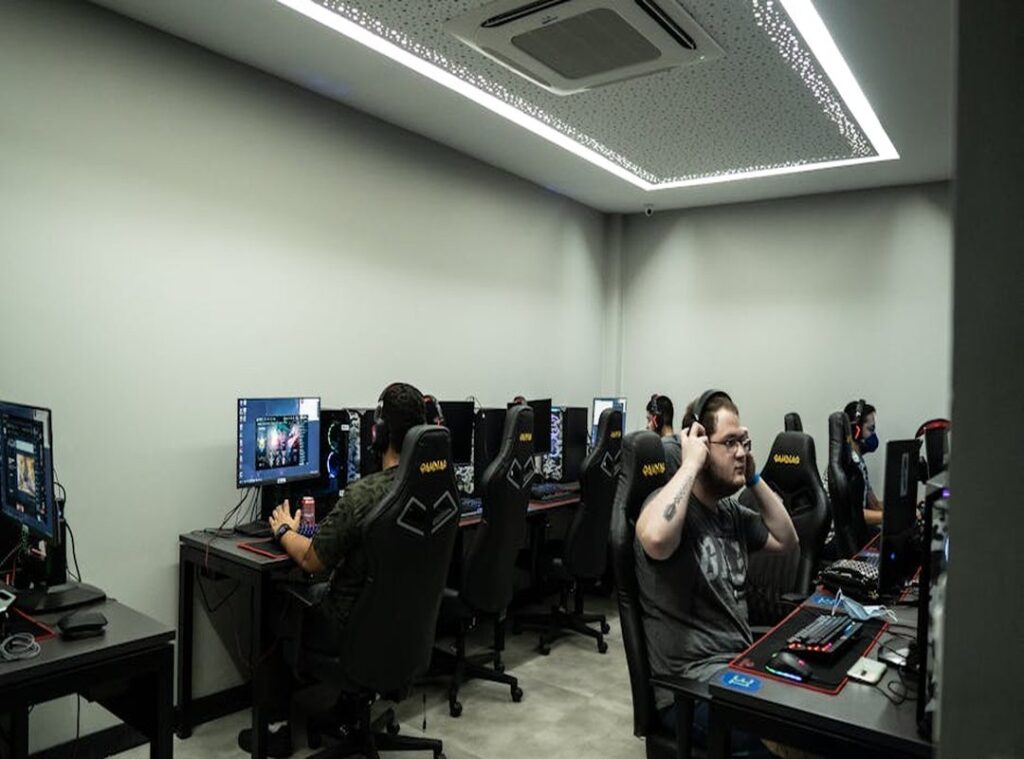
My heart’s still pounding. My shoulders are tight. I just won that match.
And I feel awful.
You know that feeling too. That wired exhaustion after hours of play. Even when you’re smiling at the screen.
So let’s ask it straight: Can Too Much Gaming Overdertoza Cause Anxiety?
Yes. No. It depends (and) that’s why most answers frustrate you.
I’ve sat with dozens of players who thought they were “just stressed” (until) we mapped their habits to real nervous system responses. No judgment. No guilt trips.
Just what the data says and what people actually report.
This isn’t about scaring you off gaming.
It’s about recognizing when your brain’s stuck in fight-or-flight (even) during downtime.
You’re here for a clear answer. Not hype. Not fear.
Not oversimplification.
I’ll show you exactly how gaming triggers anxiety (and) where the line blurs between fun and fatigue. Step by step. No jargon.
Just what works.
The Brain on Repeat: Why Gaming Feels Like a Stress Test
I used to play Overdertoza for three hours straight after work. No breaks. No stretching.
Just headset on, heart pounding, cortisol rising.
Dopamine is the brain’s “got it” signal. It spikes when you level up, win a match, or open up something new. Real life doesn’t hand those out that fast.
Or that often.
Gaming gives you dopamine on demand. That’s not evil. It’s just physics.
But your brain starts expecting it. And when it doesn’t come? You get restless.
Irritable. Wired but tired.
Cortisol and adrenaline are your body’s emergency crew. They flood in during danger (or) during a last-second boss fight. Or a ranked match where one mistake costs you everything.
You don’t feel the surge every time. But your nervous system does. It logs it.
Stores it. Repeats it.
Think of it like revving a car engine in neutral for hours. The RPMs scream. The engine heats up.
Nothing moves (but) the wear is real.
That’s what constant high-stakes gaming does to your stress response.
You start feeling “on edge” even offline. Your shoulders stay tight. Your breath stays shallow.
You snap at your partner over toast.
That’s not personality. That’s physiology.
Can Too Much Gaming Overdertoza Cause Anxiety? Yes. Not because games are broken.
But because your brain isn’t built for endless fight-or-flight loops.
I stopped playing Overdertoza cold turkey for two weeks. My sleep improved in 72 hours. My focus came back before day ten.
Overdertoza is fun. I still load it up sometimes. But now I set timers.
I breathe between rounds. I walk outside after every session.
Your nervous system isn’t built to run hot forever.
It’s built to rest. Then respond. Then rest again.
You’re not lazy for needing that.
You’re human.
When Gaming Stops Feeling Good
I’ve been there. Stared at the screen way too long. Felt my jaw clench during a respawn.
Then snapped at someone over spilled coffee because my raid wiped.
That’s not fun anymore.
Here’s what I watch for. In myself and others:
- Escape gaming: You boot up only when real life feels heavy. Not to relax. To disappear.
- Skipping meals or forgetting to shower because “just one more match” turns into three hours.
- Getting shaky or short of breath when your internet drops mid-session.
- Waking up thinking about your next session. Not your meeting, not your kid’s recital, just when you’ll get back in.
- Headaches that start right after loading in. Or stomach knots when you know you can’t play today.
You’re not lazy. You’re not broken. But if games are your only pressure valve.
And nothing else works (that’s) a red flag. Big one.
I used to tell myself: “It’s just stress.”
Then I missed a deadline. Then I canceled plans twice. Then my partner said, “You’re not here anymore.”
That’s when I asked: Is this helping me (or) hiding me?
Escape gaming isn’t harmless. It’s borrowing calm from tomorrow’s anxiety. And tomorrow always comes.
Can Too Much Gaming Overdertoza Cause Anxiety? Yes. Not because games are evil (but) because avoidance rewires how you handle tension.
Pro tip: Try this. Next time you reach for the controller, pause. Ask: What am I avoiding right now? Just name it.
Don’t fix it. Just say it out loud.
If the answer is “everything,” that’s your signal. Not to quit. But to add something else (even) five minutes of walking, calling a friend, or sitting still with your eyes closed.
The Loop: Gaming and Anxiety Feed Each Other
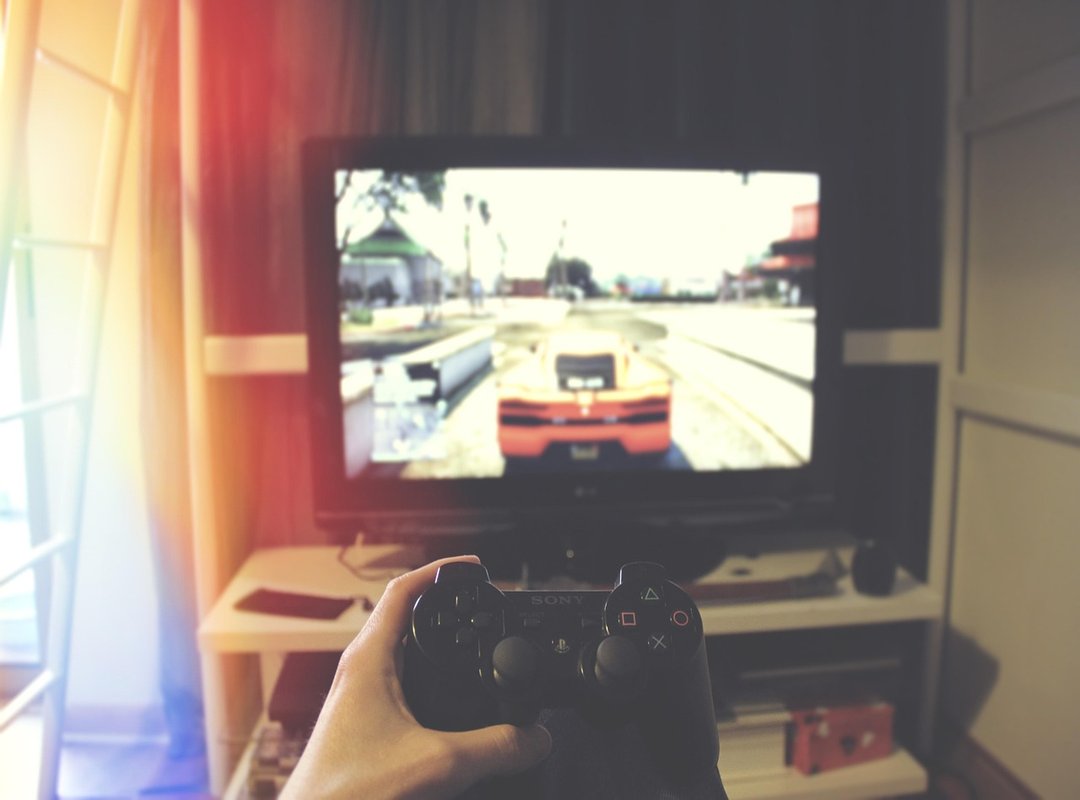
I’ve been stuck in it. You probably have too.
I go into much more detail on this in How Much Overdertoza Video Gaming for Adults.
Anxiety shows up first. Maybe it’s social dread before a meeting. Or your chest tightens every time you check email.
You don’t want to face it. So you boot up a game.
That feels safe. Predictable. No judgment.
Just control.
Then you play longer than you meant to.
You skip dinner. Miss sleep. Let texts pile up unanswered.
Your to-do list grows teeth.
Now you’re exhausted. Irritable. Behind on everything.
And that makes the anxiety worse. Not better.
You wake up dreading the day and dreading stopping the game.
So you go back in. Deeper this time.
The game isn’t fixing anything. It’s just padding the fall.
This is the loop. Not a phase. Not harmless downtime. A real trap.
Does that sound familiar? Or are you still telling yourself “It’s just one more match”?
I used to say that (right) up until I missed a deadline, ghosted a friend, and realized I hadn’t seen daylight in two days.
Sleep suffers. Social skills dull. Responsibilities pile up like unread notifications.
All of it spikes your stress. All of it makes the game look even more appealing.
Which brings us to the question no one wants to ask: Can Too Much Gaming Overdertoza Cause Anxiety?
Yes. It can. And it does (especially) when it replaces real-world coping.
If you’re wondering how much is too much, start here: How Much Overdertoza Video Gaming for Adults
There’s no magic number. But there is a line.
You’ll know you’ve crossed it when logging off feels like withdrawal.
Not fun. Not restful. Just numb.
Break the loop before it breaks you.
Reclaiming the Controller: Practical Steps to Find a Healthy
I set a kitchen timer. Not my phone. A real one.
Loud. Unignorable.
It’s the only way I stick to 90 minutes (no) more, no less.
You think you’ll stop when you’re done. You won’t. Your brain’s already in dopamine debt.
Schedule something physical right after. A walk. Push-ups.
Mindful gaming isn’t about being zen while grinding raids. It’s asking before you boot up: Am I bored? Stressed?
Even stretching. Your nervous system needs the reset (not) another round.
Tired? During: Does this still feel fun. Or am I just avoiding something? After: Do I feel energized (or) hollow?
Can Too Much Gaming Overdertoza Cause Anxiety? Yes. And it’s not just mood (it’s) heart rate, sleep, focus.
If it’s already feeling compulsive, start here: How to Get
You’re Not Broken. Your Brain Is Just Wired for This.
Yes, Can Too Much Gaming Overdertoza Cause Anxiety.
It’s not your fault. It’s your dopamine system firing on overdrive. You reach for the game to calm down (and) it revs you up instead.
That cycle feels impossible to escape. I’ve been there. Staring at the screen at 2 a.m., heart racing, telling myself just one more match.
But here’s what changes everything: you already see it.
Naming the loop is half the battle. You just did.
So pick one thing. Just one. Set a single alarm.
Not five. Not “maybe later.” One alarm. This week.
Try it. See what happens when you pause before autopilot kicks in.
You don’t need willpower. You need one small break in the pattern.
Your brain will notice.
Go set that alarm now.
 Ask David Kaplantopherr how they got into latest gaming news and you'll probably get a longer answer than you expected. The short version: David started doing it, got genuinely hooked, and at some point realized they had accumulated enough hard-won knowledge that it would be a waste not to share it. So they started writing.
What makes David worth reading is that they skips the obvious stuff. Nobody needs another surface-level take on Latest Gaming News, Player Strategy Guides, Expert Commentary. What readers actually want is the nuance — the part that only becomes clear after you've made a few mistakes and figured out why. That's the territory David operates in. The writing is direct, occasionally blunt, and always built around what's actually true rather than what sounds good in an article. They has little patience for filler, which means they's pieces tend to be denser with real information than the average post on the same subject.
David doesn't write to impress anyone. They writes because they has things to say that they genuinely thinks people should hear. That motivation — basic as it sounds — produces something noticeably different from content written for clicks or word count. Readers pick up on it. The comments on David's work tend to reflect that.
Ask David Kaplantopherr how they got into latest gaming news and you'll probably get a longer answer than you expected. The short version: David started doing it, got genuinely hooked, and at some point realized they had accumulated enough hard-won knowledge that it would be a waste not to share it. So they started writing.
What makes David worth reading is that they skips the obvious stuff. Nobody needs another surface-level take on Latest Gaming News, Player Strategy Guides, Expert Commentary. What readers actually want is the nuance — the part that only becomes clear after you've made a few mistakes and figured out why. That's the territory David operates in. The writing is direct, occasionally blunt, and always built around what's actually true rather than what sounds good in an article. They has little patience for filler, which means they's pieces tend to be denser with real information than the average post on the same subject.
David doesn't write to impress anyone. They writes because they has things to say that they genuinely thinks people should hear. That motivation — basic as it sounds — produces something noticeably different from content written for clicks or word count. Readers pick up on it. The comments on David's work tend to reflect that.