
Ever feel like you’re stuck in a rut, outsmarted by players who seem to have some secret plan?
I’ve been there. You think it’s all about reflexes and quick moves, but it’s not.
Gaming Hacks Togamesticky is about playing smarter, not faster. It’s a strategic, patient approach that focuses on long-term advantage and resource control.
This guide is based on hundreds of hours of gameplay analysis. I’ve seen what separates the elite from the average.
You’ll get a clear, actionable system that will change how you play your favorite plan games. No more feeling out-strategized. Just solid, proven tips.
The Foundational Mindset: Thinking in ‘Sticky’ Advantages
Togamesticky isn’t just about a single action. It’s a mindset, a way of creating permanent or ‘sticky’ advantages.
Imagine you’re playing chess. You’re not just trying to take one piece. You want to control the board for the entire match.
That’s Togamesticky.
The core concept here is Resource Adhesion. Every resource you spend should provide lasting value or control, not just a temporary fix.
Before making a move, ask yourself these questions:
- Does this weaken my opponent’s long-term economy?
- Does this give me map control I can hold?
These are the building blocks of a Togamesticky plan. (It’s like setting up a fortress that your opponent can’t break.)
Now, contrast this with the common ‘reactive’ playstyle. Reactive players wait for their opponents to make moves and then counter. This fails against a true Togamesticky player because they’re always one step ahead, building advantages that last.
(Gaming Hacks Togamesticky) is all about being proactive, not reactive. It’s about seeing the big picture and making moves that stick.
You can read more about this in Gaming Guide Togamesticky.
Check out this guide for more on how to master the Togamesticky mindset.
Mastering the Early Game: Build a Strong Economic Base
The first 5 minutes of a Togamesticky match often decide the winner.
Here’s why. The Rule of Compounding is real. Prioritize early investments in resource generation over aggressive units.
A 10% economic lead in the first few minutes can snowball into a 50% lead by mid-game.
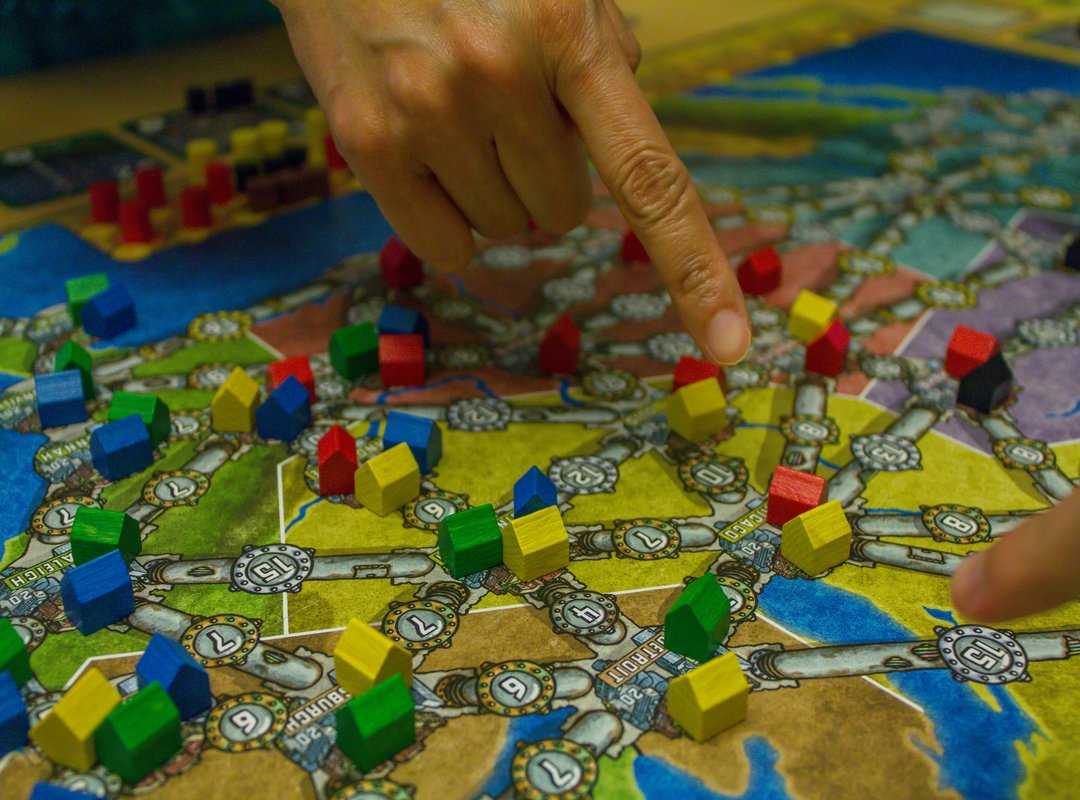
Let’s break it down with a generic plan game example. Turn 1: Build X resource generator. Turn 2: Add a second generator before any military unit.
Turn 3: Construct a cheap defensive unit to protect your investment.
I go into much more detail on this in Should I Buy Togamesticky.
Scouting is key. Keep an eye on your opponent. Are they neglecting their economy?
If so, build a slightly larger economic advantage before they even realize their mistake.
This plan isn’t just about numbers. It’s about outsmarting your opponent and setting yourself up for long-term success. (It’s like chess, but with more resources and less checkmate.)
By focusing on your economy early, you’ll have the resources to adapt and counter whatever your opponent throws at you. This is where Gaming Hacks Togamesticky really shine.
For more detailed strategies and tips, check out the gaming guide. Trust me, it’s worth your time.
Time to Level Up
You’ve got the Gaming Hacks Togamesticky knowledge now. No more lagging behind.
Most gamers struggle with these hacks. You won’t.
Now, what’s next? Dive into that game. Test those hacks.
See the difference for yourself.
If you hit a wall, come back. This guide is here for you.
Ready to dominate? Let’s go.
 Ask David Kaplantopherr how they got into latest gaming news and you'll probably get a longer answer than you expected. The short version: David started doing it, got genuinely hooked, and at some point realized they had accumulated enough hard-won knowledge that it would be a waste not to share it. So they started writing.
What makes David worth reading is that they skips the obvious stuff. Nobody needs another surface-level take on Latest Gaming News, Player Strategy Guides, Expert Commentary. What readers actually want is the nuance — the part that only becomes clear after you've made a few mistakes and figured out why. That's the territory David operates in. The writing is direct, occasionally blunt, and always built around what's actually true rather than what sounds good in an article. They has little patience for filler, which means they's pieces tend to be denser with real information than the average post on the same subject.
David doesn't write to impress anyone. They writes because they has things to say that they genuinely thinks people should hear. That motivation — basic as it sounds — produces something noticeably different from content written for clicks or word count. Readers pick up on it. The comments on David's work tend to reflect that.
Ask David Kaplantopherr how they got into latest gaming news and you'll probably get a longer answer than you expected. The short version: David started doing it, got genuinely hooked, and at some point realized they had accumulated enough hard-won knowledge that it would be a waste not to share it. So they started writing.
What makes David worth reading is that they skips the obvious stuff. Nobody needs another surface-level take on Latest Gaming News, Player Strategy Guides, Expert Commentary. What readers actually want is the nuance — the part that only becomes clear after you've made a few mistakes and figured out why. That's the territory David operates in. The writing is direct, occasionally blunt, and always built around what's actually true rather than what sounds good in an article. They has little patience for filler, which means they's pieces tend to be denser with real information than the average post on the same subject.
David doesn't write to impress anyone. They writes because they has things to say that they genuinely thinks people should hear. That motivation — basic as it sounds — produces something noticeably different from content written for clicks or word count. Readers pick up on it. The comments on David's work tend to reflect that.