
I know you’re tired of those lag spikes and stuttering frames.
It’s frustrating, right? You’ve got a beefy rig, but it still feels like you’re playing on a potato.
I’ve been there. I’ve spent years optimizing gaming PCs for peak performance. Trust me, I get it.
You don’t need to be a tech wizard to fix this. You just need the right guidance.
In this guide, I’ll share Gaming Pc Hacks Togamesticky that actually work.
No fluff. No vague tips. Just practical, actionable steps to boost your gaming experience.
By the end, your PC will run smoother than ever. You’ll wonder why you didn’t do this sooner.
PC Performance 101: Key Components
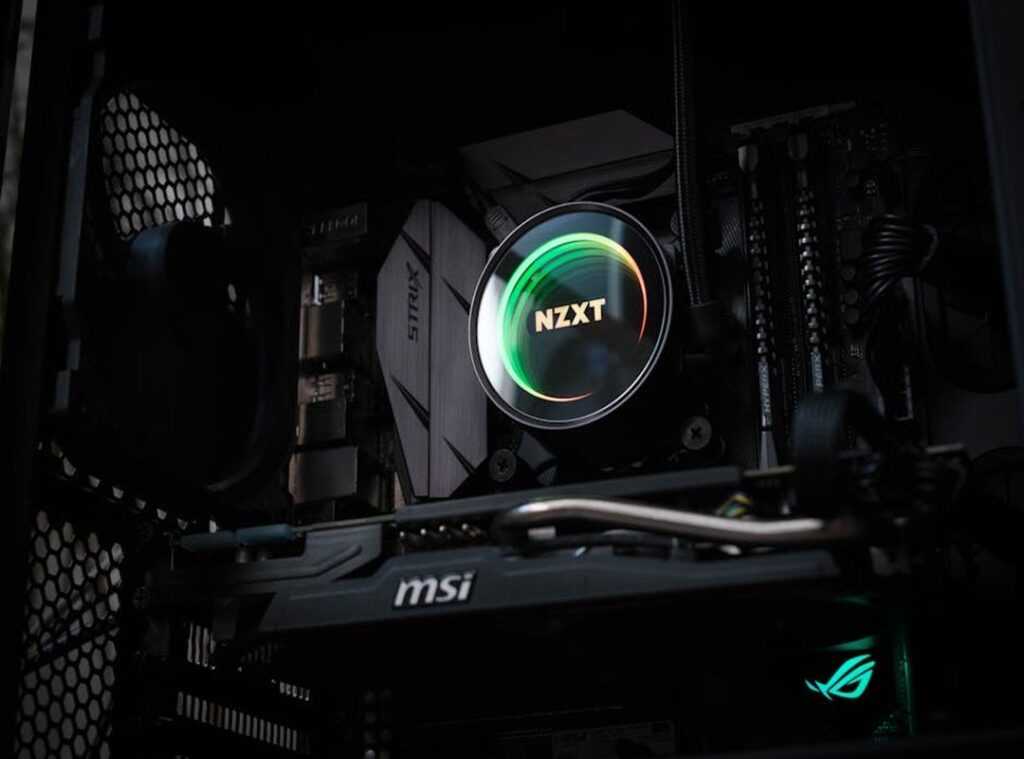
Let’s talk about the guts of your gaming rig. The CPU, GPU, RAM, and storage are the big players here.
Your GPU is the heart of it all. It handles all the graphics and visuals. Without a solid GPU, your games will look like they’re from the ’90s.
(No one wants that.)
The CPU is the brain. It processes all the data and instructions. A weak CPU can bottleneck your GPU, making everything lag.
RAM is like your short-term memory. More RAM means more stuff can be loaded and processed quickly. If you skimp on RAM, expect stutters and slow load times.
Storage is where all your data lives. SSDs are way faster than HDDs. They boot up and load games in no time.
Don’t settle for an HDD if you can help it.
Balancing these components is key. You can’t just max out one and ignore the others. A balanced build gives you the best performance for your budget.
Now, if you want to dive deeper into tweaking and optimizing your setup, check out Togamesticky. They’ve got some great tips and tricks to get the most out of your rig.
Remember, a well-balanced PC is a happy PC. Trust me, your gaming experience will thank you.
Optimizing Your Hardware for Better Performance
Let’s get real. Upgrading your hardware can be a game changer. Literally.
First things first, adding more RAM is a no-brainer. It’s like giving your PC a bigger brain to work with. More RAM means smoother multitasking and less lag.
Next up, swap out that old HDD for an SSD. Trust me, the speed difference is night and day. Your boot times will plummet.
Everything just feels snappier.
Now, if you’re on a budget, go for a mid-range 500GB SSD. It’s enough to give you a noticeable boost without breaking the bank. For those who can splurge, a 1TB NVMe SSD is the way to go.
What about tools? You’ll need a few essentials. A good screwdriver set, anti-static wrist strap, and thermal paste are must-haves.
Don’t skimp on these. They keep your hardware (and you) safe.
Before you start, make sure to power off your PC and unplug it. Safety first. Always touch a metal part of the case to ground yourself.
Static electricity is not your friend here.
Got everything? Good. Now, take it one step at a time.
Follow the instructions carefully. If you’re unsure, look up a video tutorial. Seeing it done helps a lot.
Gaming Pc Hacks Togamesticky might sound fancy, but it’s all about making smart, practical upgrades. Stick to the basics, and you’ll see a huge difference.
Software Tweaks for Enhanced Gaming Performance
Let’s get one thing straight: a clean OS is a fast OS.
Disabling unnecessary background processes can make a huge difference. You don’t need that bloatware running in the background, sapping your resources. Kill it.
Keeping drivers and software up to date is non-negotiable. Old drivers can cause lag and crashes. Don’t be lazy.
Update them.
Now, let’s talk tools. Use the built-in Task Manager to see what’s eating up your CPU and RAM. Prioritize your games.
For more advanced tweaks, check out third-party tools like CCleaner. They can help you deep clean your system and improve performance.
Monitor your temps too. Overheating can tank your FPS. Use something like HWMonitor to keep an eye on things.
And if you’re looking for specific Gaming Pc Hacks Togamesticky, Where to Find Togamesticky is a good place to start.
Remember, small tweaks add up. Don’t skip these steps. Your gaming experience will thank you.
In-Game Settings: Boost Your Performance
Let’s talk about in-game settings. You can get a lot more out of your gaming PC with a few tweaks.
First, lower the resolution. It’s a simple change that can make a huge difference. If you’re not seeing the performance boost you want, try dropping it down a notch or two.
Next, adjust the graphics quality. I know, everyone wants the best visuals. But sometimes, you need to sacrifice a bit for smoother gameplay.
Trust me, it’s worth it.
Now, let’s talk about in-game benchmarking tools. Most games have them. Use these to test different settings and find the sweet spot.
It’s like a mini-experiment to see what works best for your rig.
For popular games, here are some specific tips. Fortnite? Keep the view distance low.
Call of Duty? Prioritize frame rate over texture quality. League of Legends?
Turn off unnecessary visual effects.
Remember, every game is different. What works for one might not work for another. Experiment and see what gives you the best experience.
Oh, and don’t forget to check for updates. Sometimes, a new patch can bring better optimization. That’s a Gaming Pc Hacks Togamesticky tip right there.
Pro tip: Always save your current settings before making changes. This way, you can easily revert if something goes wrong.
Advanced Techniques for Hardcore Gamers
Alright, let’s talk about some serious gaming PC hacks. Overclocking and undervolting are two big ones.
Overclocking is when you push your CPU or GPU to run faster than the manufacturer set. It can give you a performance boost. But it’s not for the faint of heart.
First, make sure your hardware can handle it. Check your CPU and GPU specs. Then, use a reliable tool like MSI Afterburner for your GPU.
Start by increasing the clock speed in small increments. Test stability after each step. If it crashes, dial it back.
Undervolting is the opposite. You lower the voltage to reduce heat and power consumption. This can be safer but still requires careful tweaking.
Use the same tools, but this time, decrease the voltage bit by bit. Monitor temps and stability.
Now, the risks. Overclocking can void warranties and cause hardware damage if not done right. Undervolting, while less risky, can also lead to instability if you go too far.
So, when should you consider these? If you’re hitting performance walls and want more juice, overclocking might be worth it. For better efficiency and cooler temps, undervolting is a good bet.
But hey, if you’re just looking to up your game, sometimes a few this article can make a huge difference.
Maximize Your Gaming Experience Now
You’re tired of lag and slow performance. I get it.
I’ve given you a bunch of practical tips. Simple stuff, really. No need to overhaul your entire setup.
Start with one tweak today. See the difference for yourself.
Gaming Pc Hacks Togamesticky can turn your gaming experience around. Don’t let lag hold you back anymore.
Take action. Your games will thank you.
 Ask David Kaplantopherr how they got into latest gaming news and you'll probably get a longer answer than you expected. The short version: David started doing it, got genuinely hooked, and at some point realized they had accumulated enough hard-won knowledge that it would be a waste not to share it. So they started writing.
What makes David worth reading is that they skips the obvious stuff. Nobody needs another surface-level take on Latest Gaming News, Player Strategy Guides, Expert Commentary. What readers actually want is the nuance — the part that only becomes clear after you've made a few mistakes and figured out why. That's the territory David operates in. The writing is direct, occasionally blunt, and always built around what's actually true rather than what sounds good in an article. They has little patience for filler, which means they's pieces tend to be denser with real information than the average post on the same subject.
David doesn't write to impress anyone. They writes because they has things to say that they genuinely thinks people should hear. That motivation — basic as it sounds — produces something noticeably different from content written for clicks or word count. Readers pick up on it. The comments on David's work tend to reflect that.
Ask David Kaplantopherr how they got into latest gaming news and you'll probably get a longer answer than you expected. The short version: David started doing it, got genuinely hooked, and at some point realized they had accumulated enough hard-won knowledge that it would be a waste not to share it. So they started writing.
What makes David worth reading is that they skips the obvious stuff. Nobody needs another surface-level take on Latest Gaming News, Player Strategy Guides, Expert Commentary. What readers actually want is the nuance — the part that only becomes clear after you've made a few mistakes and figured out why. That's the territory David operates in. The writing is direct, occasionally blunt, and always built around what's actually true rather than what sounds good in an article. They has little patience for filler, which means they's pieces tend to be denser with real information than the average post on the same subject.
David doesn't write to impress anyone. They writes because they has things to say that they genuinely thinks people should hear. That motivation — basic as it sounds — produces something noticeably different from content written for clicks or word count. Readers pick up on it. The comments on David's work tend to reflect that.